


An oil change, brake service, a wheel alignment, and differential service are just four of the many essential kinds of Toyota service you'll find at your Toyota dealer. Stopping by for these services reduces the risk of unexpected breakdowns and major inconveniences. Let's look at a few of the services the dealer provides and see how frequently you need them. 4 Types of Toyota Service Offered at Your Toyota Dealer 1. Oil Change Fresh motor oil keeps your car's engine running smoothly. It lubricates all the parts of your engine, helping keep it cool. It also helps prevent premature wear and tear on the engine's parts. That's why staying on top of your oil changes is essential. Most vehicles need an oil change approximately every six months. When going by miles, you typically need to stop in for an oil change after every 5,000 to 7,500 miles. 2. Brake Service Your brakes need service to stay in good condition. A brake fluid exchange is one type of brake service you need. This is where the technicians at the dealership drain your old brake fluid and replace it with fresh fluid. Many cars need this service every two years, but how often different models need it can vary considerably. Check your owner's manual to see what's recommended for your model. Brake pad replacements are another kind of brake service you need. How often the brake pads need to be replaced varies, too, depending on your driving habits. You could need new ones as often as every 25,000 miles or as infrequently as every 70,000 miles. Listen out for squealing noises when you brake, as that's a sign your old brake pads have worn down and need to be replaced. 3. Wheel Alignment A wheel alignment is a service where your vehicle's suspension is adjusted to straighten out your wheels. It's performed because your wheels can tilt and turn out of alignment with your car's centerline over time, leading to uneven tire tread wear, car handling problems, and other issues. You need to get your car inspected regularly to make sure the wheels are still aligned. If they're not, then it's time for an alignment. 4. Differential Service Your differentials need to be inspected regularly to make sure they're in peak condition, as they're responsible for letting your vehicle's wheels turn at different speeds. The differential fluid also needs to be changed regularly. Many cars need this fluid changed every 50,000 miles, but your owner's manual will tell you how often your Toyota model needs this service done. Come by Royal Moore Toyota in Hillsboro, OR for all the essential services your Toyota needs. We have comfortable seating, Wi-Fi, TV, coffee, and water for you to enjoy while you wait for your vehicle.
4 Services Offered at Your Toyota Dealer
An oil change, brake service, a wheel alignment, and differential service are just four of the many essential kinds of Toyota service you'll find at your Toyota dealer. Stopping by for these services reduces the risk of unexpected breakdowns and major inconveniences. Let's look at a few of the services the dealer provides and see how frequently you need them. 4 Types of Toyota Service Offered at Your Toyota Dealer 1. Oil Change Fresh motor oil keeps your car's engine running smoothly. It lubricates all the parts of your engine, helping keep it cool. It also helps prevent premature wear and tear on the engine's parts. That's why staying on top of your oil changes is essential. Most vehicles need an oil change approximately every six months. When going by miles, you typically need to stop in for an oil change after every 5,000 to 7,500 miles. 2. Brake Service Your brakes need service to stay in good condition. A brake fluid exchange is one type of brake service you need. This is where the technicians at the dealership drain your old brake fluid and replace it with fresh fluid. Many cars need this service every two years, but how often different models need it can vary considerably. Check your owner's manual to see what's recommended for your model. Brake pad replacements are another kind of brake service you need. How often the brake pads need to be replaced varies, too, depending on your driving habits. You could need new ones as often as every 25,000 miles or as infrequently as every 70,000 miles. Listen out for squealing noises when you brake, as that's a sign your old brake pads have worn down and need to be replaced. 3. Wheel Alignment A wheel alignment is a service where your vehicle's suspension is adjusted to straighten out your wheels. It's performed because your wheels can tilt and turn out of alignment with your car's centerline over time, leading to uneven tire tread wear, car handling problems, and other issues. You need to get your car inspected regularly to make sure the wheels are still aligned. If they're not, then it's time for an alignment. 4. Differential Service Your differentials need to be inspected regularly to make sure they're in peak condition, as they're responsible for letting your vehicle's wheels turn at different speeds. The differential fluid also needs to be changed regularly. Many cars need this fluid changed every 50,000 miles, but your owner's manual will tell you how often your Toyota model needs this service done. Come by Royal Moore Toyota in Hillsboro, OR for all the essential services your Toyota needs. We have comfortable seating, Wi-Fi, TV, coffee, and water for you to enjoy while you wait for your vehicle.

Navigating Your Toyota's Warranty: What's Covered and What's Not
Every new Toyota is automatically covered by a comprehensive New Vehicle Limited Warranty. This warranty protects you in the unlikely event of any manufacturing-related issue with your vehicle. As your Toyota dealer, we want to tell you more about the protection you receive with your Toyota warranty. From Your Toyota Dealer: Navigating Your Toyota Warranty Basic Warranty This warranty applies to every system or component in your vehicle, with two exceptions. Certain systems are not covered as they have enhanced coverage detailed below. The other exception is this warranty doesn't cover situations like damage caused by the addition of unauthorized parts, general wear and tear, or unauthorized alternations. These exceptions are explained in your warranty handbook. Coverage applies for the first three years or 36,000 miles, whichever comes first. AC recharge, wheel alignment, and wheel balancing are covered by this warranty, but for one year or 12,000 miles. If a repair or replacement is necessary, the work will be performed by Toyota-trained technicians using Toyota-approved replacement parts. Powertrain Warranty Your engine, transmission, transaxle, and FWD or RWD drivetrains are, arguably, your vehicle's most important systems. They provide the power and the ability to move our Toyota. All the components protected by this warranty are listed in your warranty handbook. Coverage applies for five years or 60,000 miles. Restraint Systems Warranty The seatbelts and seatbelt system and the airbags and their system are protected for five years or 60,000 miles. Corrosion Perforation Warranty Rust and corrosion are dangerous to any unprotected metal, as they can rapidly eat through metal and destroy it. Your Toyota is protected against this form of damage by specialized applications added to the metal during the construction process. These applications don't require reapplication unless the metal is damaged in an accident. If corrosion appears despite the corrosion protection and perforates any metal panel, the affected panel will be replaced at no charge. Perforation is defined as corrosion that forms a hole, penetrating the metal from one side to the other. This warranty applies for five years and unlimited mileage. Federal Emissions Control Warranty Emissions are dangerous chemicals like carbon monoxide and hydrogen sulfide produced as byproducts of combustion. These emissions are toxic and a major contributor to airborne pollution. Your Toyota has a very efficient emissions control system that converts almost all these chemicals into harmless ones utilizing a combination of chemical reactions, extreme heat, and immense pressure. Most emissions control components are protected for two years or 24,000 miles. Certain components like the engine control unit and catalytic converter have enhanced protection that applies for eight years or 80,000 miles. If you'd like to know more about your warranty, contact us today at Royal Moore Toyota in Hillsboro, OR.
The Importance of Regular Maintenance for Your Toyota Hybrid
Your 2024 Toyota hybrid is efficient, innovative, and reliable. To make sure it stays that way, there are some critical routine maintenance tasks that you'll want to visit your Toyota dealer for. Routine Maintenance for Your 2024 Toyota Hybrid Tire Maintenance Don't take your tires for granted! They are crucial for your safety on the road. Regular tire rotations, typically every 5,000 to 7,500 miles, help promote even wear and extend the lifespan of your ties. Checking alignment annually or any time there's a noticeable change in how your car drives, like if it starts pulling to the side, is also recommended. Hybrid Battery Checks The hybrid battery is the heart of your Toyota hybrid. Our technicians have the specialized knowledge and tools to evaluate the health of your battery, ensuring it is functioning correctly and efficiently. When you come to the dealership, we'll inspect your battery's cooling system to prevent overheating and test the battery's ability to hold a charge. 12-Volt Battery Service Besides your main hybrid battery, your Toyota also has a conventional 12-volt battery that powers the lights, audio systems, and other accessories. This battery should be checked regularly to ensure it's charging properly. A car battery typically only lasts from 3-5 years, so it's important to keep an eye on its performance. Engine Oil Changes While Toyota hybrids may not require oil changes as frequently as conventional vehicles, due to less frequent use of the gasoline engine, regular oil changes are still crucial. Check your owner's manual for the recommended oil change interval, which is typically around 10,000 miles for newer models. Air Filter Changes Your engine has several key filters, including the engine and cabin air filters. Changing these filters regularly, about every 10,000 miles or so, helps ensure optimal air intake for your engine and better air quality for the cabin of your vehicle. Brake Fluid and Coolant Hybrid vehicles use regenerative braking systems that can result in slower brake fluid degradation, but it's still important to check and replace your brake fluid as recommended in your Toyota's maintenance schedule. Similarly, checking and replacing the coolant is essential to keep your engine at the proper temperature. Get Professional Care at Your Toyota Dealership Your hybrid isn't just any car, and not just anyone knows how to work on it. Taking your car to the dealership for routine maintenance is the best way to ensure it gets the care it needs. Our certified technicians are specially trained to work on Toyota hybrids. We always use genuine Toyota parts and the recommended fluids, which means your warranty will stay intact. When it comes to maintenance, consistency is key. Call Royal Moore Toyota in Hillsboro, OR, to schedule your next maintenance appointment.
How Often Should You Get Your Toyota's Oil Changed?
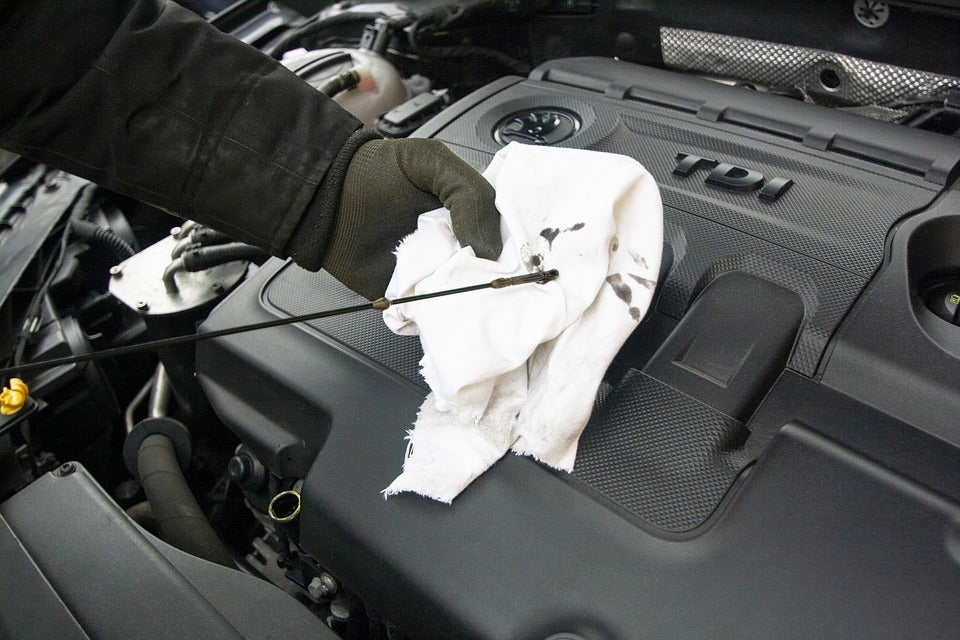
What if your Toyota was a high-performance athlete? It is, in a way. It tackles your daily commutes, weekend adventures, and everything in between, and just like an athlete needs proper nutrition and rest to perform at their best, your Toyota also thrives with the right care. One key ingredient in the recipe for a long and healthy Toyota life is getting regular oil changes at your Toyota dealer. How Often Do You Need an Oil Change at the Toyota Dealer? The answer is usually somewhere between 7,500 and 10,000 miles these days, if you're using synthetic oil. Newer Toyotas boast impressive engineering and often use synthetic oil, which is a real champion compared to conventional oil. Synthetic oil breaks down more slowly, allowing for longer intervals between changes, and it performs better in extreme temperatures. But that's not the whole story because Toyotas are so legendarily reliable that there are still some quite old models out on the roads that were built before synthetic oil became the standard. If you have one of these classics, your intervals for changing the oil may be shorter: between 3,000 and 5,000 miles. How Do I Know? Consider your owner's manual. It details the manufacturer's recommended oil change intervals based on your specific model year, engine type, and even factory-filled oil. Many newer Toyotas also have a helpful oil life monitoring system. This high-tech coach analyzes your driving habits and engine data and will switch on a light on your dashboard when an oil change is recommended. It's a handy tool, but it's not a substitute for consulting your owner's manual. You can also simply check the oil yourself. If the oil is starting to look dark, it's getting filled with particles and needs to be changed. If it's low, you'll also want us to take a look at it. Don't Skip The Change An athlete who neglects training eventually can't perform, and a Toyota deprived of regular fresh oil suffers, too: Increased Engine Wear Without fresh oil's lubrication, friction between engine parts increases. This gradual wear and tear can shorten your engine's lifespan. Performance Decline Dirty oil is a sludge slowing down your engine. You might notice decreased power, sluggish acceleration, and even lower fuel efficiency. Potential for Overheating Degraded oil loses its ability to effectively cool the engine, increasing the risk of overheating and potential damage. Conversely, if you get the oil swapped out regularly, you can expect your vehicle to keep running strong for miles to come. Fresh oil ensures smooth operation, maximizing your Toyota's power and fuel efficiency. Remember, a well-maintained Toyota is a happy Toyota that's ready to conquer every road you travel. C ontact us at Royal Moore Toyota in Hillsboro, OR today if you need any service!
Getting Routine Car Maintenance at Your Toyota Dealership
Your Toyota dealership is the go-to place for all your car maintenance needs. Our skilled Toyota Express Maintenance team provides expert services done fast and right to keep your Toyota always running at its best. When you rely on us, you can rest easy that your Toyota will receive the care and attention it deserves. Getting Routine Car Maintenance at Your Toyota Dealership High-Quality Toyota Maintenance Services Our dedicated team of Toyota-trained and certified technicians, cutting-edge equipment and tools, and genuine Toyota parts provide superior maintenance services, guaranteeing that your driving experience will always be enjoyable. You can reach out to us by phone or easily schedule an appointment through our website and we will contact you to discuss a convenient time. Fast Toyota Express Maintenance To keep your wheels rolling, our team of dedicated experts offers Toyota Express Maintenance, a quick and convenient way to take care of your car's maintenance needs. Our Toyota Express Maintenance experts perform oil changes, brake inspections, battery checks, tire rotations, multi-point inspections, and so much more. Oil Changes Oil changes for your Toyota every 3,000 to 6,000 miles are vital in maintaining optimal engine performance. Fresh engine oil reduces friction between moving engine components and dissipates heat, safeguarding your engine and extending its life. Our skilled Toyota technicians carry out oil changes using top-quality genuine Toyota motor oil and genuine Toyota oil filters specifically for your Toyota to maintain exceptional engine performance. Brake Services To keep you safe on the road, rely on our expert brake services. Genuine Toyota brake components are tailored to suit your vehicle and constructed with the exacting standards synonymous with Toyota, providing excellent durability and safety. Battery Services The battery serves as the heartbeat of your Toyota, and our technicians conduct battery inspections and tests to ensure it delivers dependable power. Should your car require a new battery, we fit Toyota TrueStart batteries, which are endorsed by Toyota engineers. These batteries offer years of reliable power and extended battery life. Tire Rotations Keeping your tires in good condition by rotating them is vital to ensure driving comfort, fuel efficiency, and handling performance. When you rotate your tires regularly, they wear evenly and last longer. Multi-Point Inspections When our technicians perform a multi-point inspection, they check all your vehicle's fluids and examine all the key systems. Thorough vehicle inspections by trained technicians will determine the condition of your vehicle and pinpoint issues that need attention before they turn into costly repairs. ToyotaCare To help you keep up with your Toyota's maintenance needs, we offer ToyotaCare at no cost. The ToyotaCare plan covers routine scheduled maintenance for 25,000 miles or two years, whichever comes first. It also includes 24-hour roadside assistance for unlimited miles. For top-quality maintenance services, trust the expertise of our Toyota professionals. Stop by Royal Moore Toyota in Hillsboro, OR, today for maintenance services you can count on to keep your vehicle running like new.
Does Your Toyota Need a Transmission Repair?
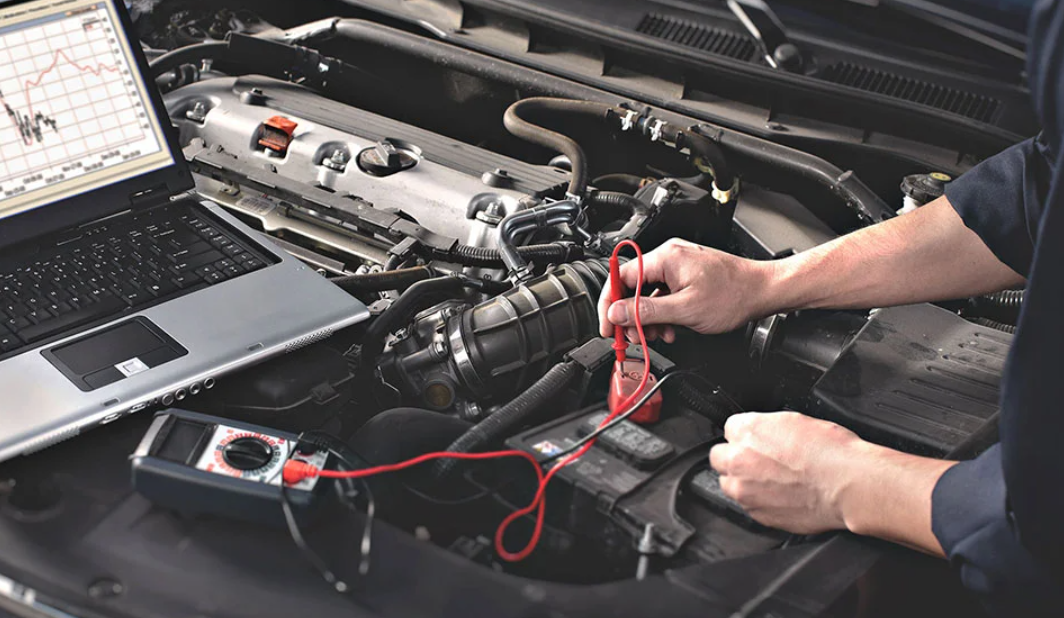
Toyotas are known for their reliability and durability. However, like any other machine, they experience wear and tear, especially when it comes to its transmission system. Here are a few tips from your Toyota dealer on what signs to keep an eye out for that could indicate your Toyota may need a transmission repair. Thoughts from Your Toyota Dealer: How to Know When You Need a Transmission Repair Strange Noises One of the first signs of transmission issues is clunking, whining, or grinding sounds when shifting gears. If you hear any odd noises from your transmission, it's time to pay attention. These noises are often indicators of problems within the transmission that need immediate attention. Rough or Delayed Shifting A transmission should smoothly transition from gear to gear. If you notice any delays when shifting gears, or you are experiencing a jerky, rough ride during gear changes, those could be signs of a slipping transmission. This is a serious issue, since it can lead to further damage if left unattended. Fluid Leaks Transmission fluid is vital for lubricating and cooling the transmission system. If you spot brown or red fluid pooling under your Toyota, it's a clear sign you have a transmission leak. Low transmission fluid levels can cause overheating and damage to the transmission components. Dashboard Warning Lights Modern Toyota vehicles are equipped with advanced diagnostics that can detect transmission problems. If the "Check Engine" or "Transmission" warning light lights up on your dashboard, it's time to schedule a diagnostic check at your dealership. Burning Smell A burning smell coming from your car could be a sign your transmission fluid is overheating. When the transmission fluid overheats, it can lead to the breakdown of vital components, and if not addressed promptly, it may result in a complete transmission failure. Slipping Gears When your transmission slips gears unexpectedly, causing a loss of power or acceleration, it's a severe problem. This issue can be dangerous, especially when driving at high speeds or in traffic, and requires immediate attention. Difficulty Engaging Gears If you find it increasingly challenging to shift gears, whether manually or automatically, your transmission may be experiencing trouble. Difficulty engaging gears can lead to reduced control over your vehicle and should be investigated promptly. If you notice any of these issues, don't wait until your transmission leaves you stranded. Call Royal Moore Toyota today or come in to see us and schedule a transmission inspection, so we can ensure your Toyota continues to deliver the reliable performance you expect. We understand the importance of a well-maintained transmission for your vehicle's performance and safety, and our certified technicians here in Hillsboro, OR are ready to address any transmission issues your Toyota may be experiencing.
Getting a New Car Battery for Your Toyota
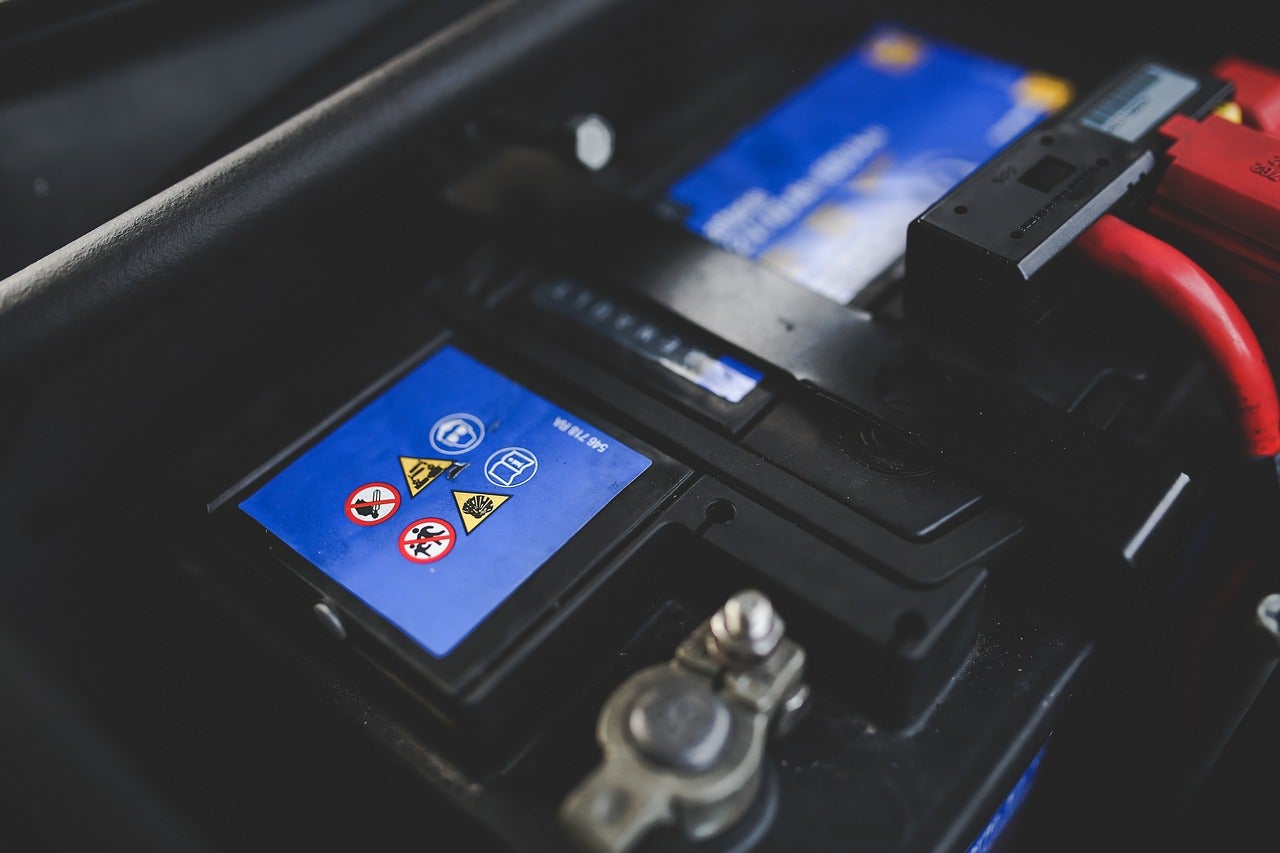
Battery issues can come on suddenly or build up over time. If jump-starting your car is a daily occurrence, then you may need to get a new car battery from your Toyota dealership. Getting a New Car Battery for Your Toyota Before a mechanic recommends a new battery, a battery health check will be performed. This simple test will assess how much charge a battery can hold and is an essential part of diagnosing your battery issue. Sometimes, the health check can reveal that your alternator is the root cause of your battery issues. If your car battery is the problem, then a replacement can easily be completed on the same day. Replacing a car battery involves disconnecting the old battery, assessing the condition of the connecting cables, inserting a new battery, and cleaning battery terminals. Even if you have a hybrid battery, the basic process is the same. When Do You Need to Replace Your Battery at Your Toyota Dealership? The average life expectancy for a car battery is about three or four years. Your habits as a driver, such as running the radio or AC when the engine is off, can affect how long your battery will last. Sometimes, factors such as the weather can impact how long your battery lasts, since very hot and very cold temperatures can hamper battery performance. Some signs you may need to replace a battery include: Slow Engine If your engine is slow to start, then your battery could be failing. Your car battery is responsible for providing power to the starter, so a slow or stubborn ignition is usually related to a battery with a low charge. Your alternator can also cause a sluggish engine. Dim Headlights Dim headlights are usually caused by a bad battery or a poor connection between the electrical wiring and the battery. Sometimes, your headlights may appear dim while your vehicle is idling and then brighten when you are driving. You may also notice that some of your headlight features, such as high beams, aren't as bright as usual. Flickering Dashboard Flickering dashboard lights can also be a sign of a bad battery. Your gauge cluster, radio, clock, and dashboard indicator lights are all powered by your battery, so if any of these components are flickering, then it might be time to replace your battery. Visible Corrosion You might want to take a look under the hood if you notice signs of electrical issues. If you see visible corrosion, such as a chalky white or blue powder on your battery, then you need to schedule service. Excess corrosion can be caused by undercharging, battery leaks, and other issues. Signs such as a slow engine or faulty headlights are often related to a bad battery. If you need to replace your battery, you can book a service appointment at Royal Moore Toyota today.
Time for New Tires? Visit Your Toyota Dealer
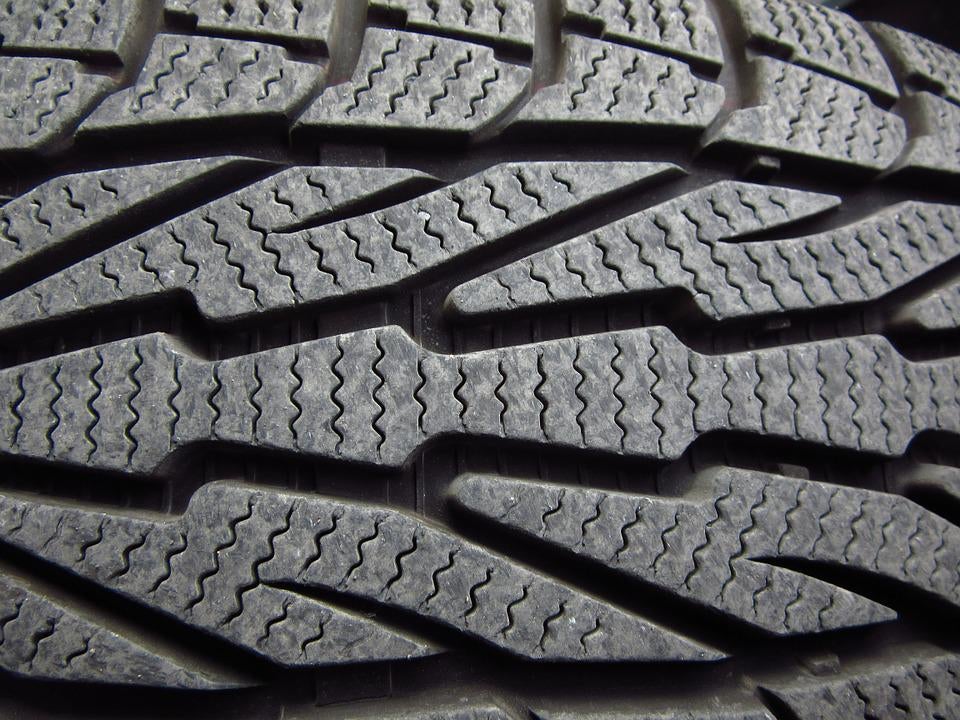
Your Toyota needs a good set of tires for both safety and performance. Fortunately, there are a few clear signs that it's time to drive over to the Toyota dealer for some new tires. Your Tires Are Losing Air Pressure If one or more of your tires constantly needs more air, you probably have a leak. Some leaks can be repaired, so you should have your tires inspected. Your Tread Depth Is Too Low If your tread gets too low, your tires can't get a grip. The minimum safe level for tire tread is 2/32 of an inch. You can easily check whether your tires are too worn with the nearest penny. Insert the penny into the tire tread with Abraham Lincoln upside down. If you can see the top of his head over your tire tread, it's time for a new set of tires. You Can See the Tread Wear Indicators Modern tires have tread wear indicator bars molded into them. These are smooth rubber bars that begin at the bottom of your tread groove. As your tire wears down, these bars become easier to see. Once they reach the surface of your tires, it's time to replace them. Your Sidewall is Cracked or Damaged Damage to the sidewall of your tire cannot be repaired. Check your tires for cracks, cuts, or damage that looks deeper than surface level. Sidewall damage can lead to leaks or blowouts. Your Tire Has Bulges or Blisters These are weak spots, often formed due to damage to the tire from hitting a pothole or curb. Blisters on your tire put you at risk for a blowout, so you should not drive your car if you notice one. Your Tires Have Mismatched Wear Patterns If the tread on one tire is more worn than the others, or you notice one edge of a tire looks newer than the other, your tires have worn down unevenly. This is usually caused by neglecting tire rotations, but it can also happen if you drive too long on underinflated tires. Your Tires Are Just Old Even if you rarely drive on your tires, they will eventually wear out. Rubber compounds break down over time, leaving your tires more brittle and less able to grip the road. Most tires should be replaced by the time they are six years old. Visit Your Toyota Dealer for New Tires At your local dealership, we have tires that are the perfect fit for your model. Our technicians will ensure that your tires are properly mounted, balanced, and inflated before you drive away. Take tire maintenance seriously to avoid being left on the side of the road with a flat. Call Royal Moore Toyota to schedule your next tire inspection.

5 Signs Your Toyota Needs New Headlights
They're one of the most essential safety features on your vehicle, but most drivers don't give much thought to their headlights until they're no longer working. How can you tell when it's time for new headlights from your Toyota dealer? There are several signs to watch for. 5 Signs You Need New Headlights From Your Toyota Dealer 1. Your Headlights Flicker If your headlights are flickering like a candle in the wind, it's time to schedule an appointment to have our service department check things out. Flickering is often one of the first signs that your headlights may be near the end of their life and that the bulb's filament is worn out. Headlight flickering can also sometimes signal a faulty battery connection. Our service department can quickly and easily diagnose the issue and perform the appropriate repair. 2. Your Headlights Aren't As Bright Headlights sometimes lose their brightness as they age, making them dimmer. If you're having more trouble seeing road signs and darkened streets, or if your lights just don't seem as bright as they once did, you may be due for a replacement. 3. Your Lights Have a Foggy, Yellowish Tint When functioning properly, your headlights should emit clear, direct beams of light. If the lights have taken on a foggy, yellowish glow, they may be due for either replacement or cleaning. Debris kicked up from the road can sometimes damage the lights or create a dirty film on the plastic lenses that cover the lights, resulting in a yellowish glow. Our service department can remove the lenses and clean and buff them, improving the performance of your lights. 4. Your High Beams or Low Beams Don't Work If your regular headlights are working but nothing happens when you switch on your high beams, or if your high beams are working, but your regular beams aren't, there may be an issue with your headlight bulbs, wiring, sockets, or switch. Having both the regular beams and high beams is necessary for the safe functioning of your vehicle. 5. You Keep Blowing Fuses If your headlights consistently burn out, or if you frequently blow fuses, your headlight assembly, lighting switch, and fuses need to be checked. The frequent loss of lights could be a sign that there is a larger electrical problem that can't be addressed with a new headlight. Headlights typically last about five years, so if your headlights often fail to hit the five-year mark, that may be a sign of a deeper issue. If your headlights are acting up, don't put off having the issue addressed. Headlight services are generally quick and convenient, and you'll be back on the road in no time. When you're ready to schedule your next service appointment, call Royal Moore Toyota.

3 Car Maintenance Tips for Drivers in Hillsboro, OR
The key to proper car maintenance is regular services at the recommended intervals from qualified technicians. If you drive your Toyota RAV4, Corolla, or Tacoma on the roads in and around Hillsboro, OR, follow the maintenance tips below, and we guarantee that your vehicle will be reliable, fuel-efficient, and safe. 1. Stick to the Maintenance Intervals Toyota recommends general maintenance services, including oil changes, brake inspections, battery tests, and tire rotations every 5,000 miles or six months to ensure your vehicle stays in top running condition. Everything you need to know about your car's service schedule and maintenance intervals is in your owner's manual. You can also ask one of our Toyota technicians for more information. Oil Changes How often your car will need new oil depends on the engine type, the type of oil your vehicle uses, and where and how you drive your car. We recommend using Genuine Toyota and Mobil 1 Synthetic Motor Oils to lubricate your engine properly, improve your car's fuel efficiency, extend the life of your engine, and ensure optimal performance. Brake Inspections Avoid those high-pitched squealing and awful grinding noises with regular brake inspections from our qualified Toyota technicians. They use genuine Toyota brake components specifically made for your Toyota that provide superior braking power to keep you safe behind the wheel. Battery Inspections and Tests Regular battery inspections and tests, especially when your battery is older than three years, are crucial. Over time batteries deteriorate and have to be replaced. When your Toyota needs a new battery, ask for a Toyota TrueStart battery, an approved battery for warranty repair that guarantees long-lasting performance. Tire Rotations and Inspections When our technicians rotate your car's tires every time they change the oil, all four tires will wear evenly and last longer. You will not have to buy new tires as often, saving you money. During each rotation, the technician will also check the tread depth, inspect each tire for damage, and inflate them to the proper pressure levels. 2. Rely on Toyota Express Maintenance Services We make taking care of your car's maintenance needs affordable and hassle-free with Toyota Express Maintenance. You don't need to schedule an appointment, drop by when it's convenient for you, and our express service team will change the oil, check the battery, inspect the brakes, and perform a tire rotation in no time to get you back on the road fast. 3. Insist on Genuine Toyota Parts Using genuine Toyota Parts, engineered and manufactured for your Toyota, is crucial to ensure your car runs at its best. Our Toyota parts specialists will help you find the part you are looking for, and our technicians will perform an expert part installation. You can phone us directly or complete the online form on our website, and a parts specialist will contact you in a flash. Keep your wheels rolling with expert maintenance services by professionals who know your car inside and out. Visit Royal Moore Toyota today for a maintenance service, and we will ensure your Toyota always gets you safely wherever you want to go.